“but those who hope in the Lord will renew their strength. They will soar on wings like eagles; they will run and not grow weary, they will walk and not be faint.” – Isaiah 40:31 NIV
A long while ago while managing a rural cattle ranch on the South Rupununi Savannah, Stan Brock began to see the need for medical care and transport. It was here that an airborne remote area medical operation first came to mind. Many years later this lead to the establishment of RAM. Although they are based in the United States, they have served the needs of medical, humanitarian aid, and disaster response in many places.
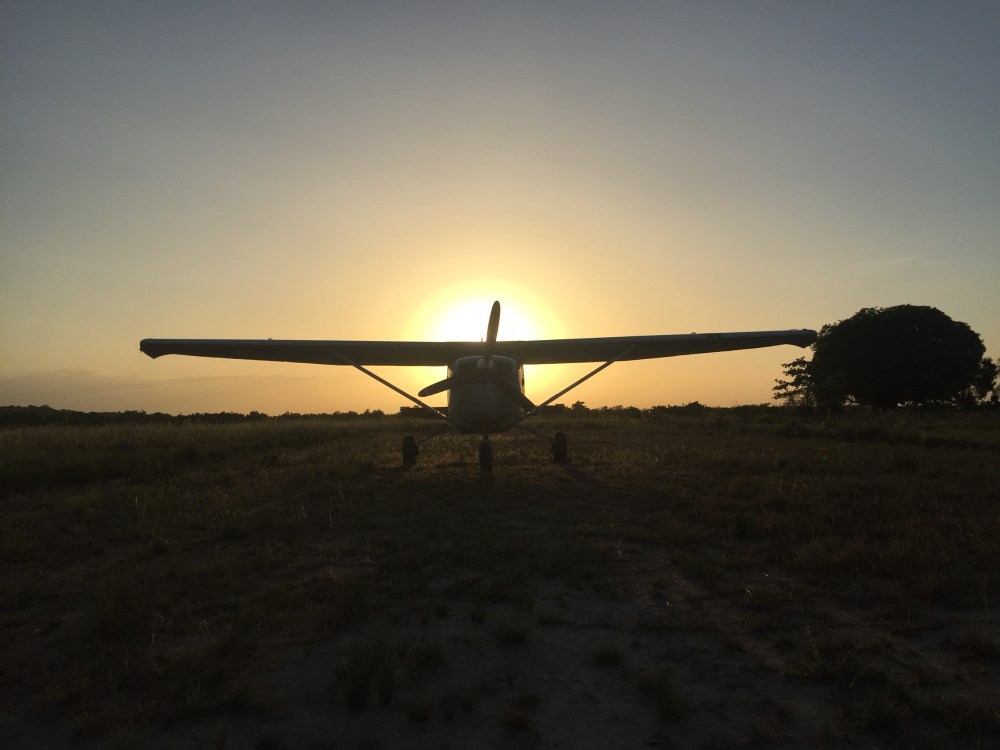
Basing an air medivac Cessna U206A long term here is Stan Brock’s way of keeping his promise and giving back to the people of the rural Rupununi region of Guyana. The program has existed for about 13 years now.
A metal roofed sideless structure shelters the aircraft. Next to it a shipping container that stores supplies and fuel. There is no water or electricity. Fuel has to be delivered in drums and can take several weeks from time of order. A battery operated pump and nozzle, similar to what one would use in a truck bed on a farm, is what we use to fuel the aircraft.

In addition to the airstrip, RAM leases (for free) a building and property for serving as a headquarters, storing tools and supplies, and remnants from other programs that used to be active here. RAM has a local volunteer that helps secure and maintain the properties, and also assist the pilot with fueling and maintaining the aircraft. He lives at the HQ building.
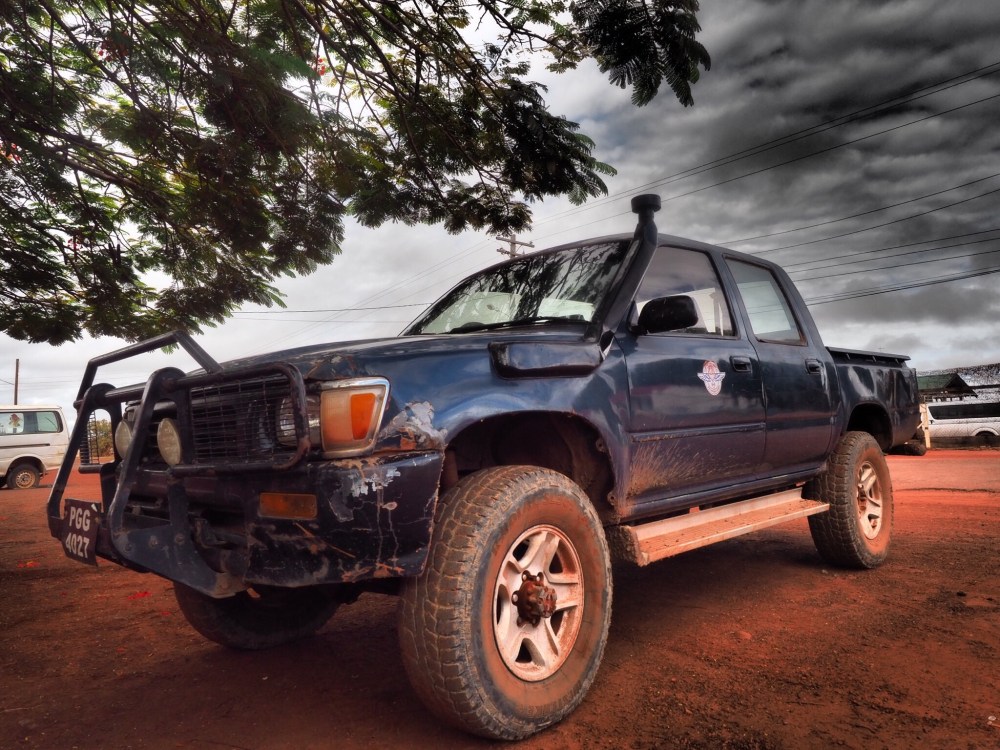
At one time RAM used to have a running Bedford utility truck and Toyota Hilux. Over the years they have both fallen into disrepair and are out of service. A replacement Toyota truck is in the works once one is sourced and obtained from Georgetown. Otherwise the only way to get around is by foot, bicycle, or motorbike. I use the bicycle most of the time, pilot assistant the motorbike. This imposes some limitations on what we can transport and do.
Lethem has the second longest paved airstrip in the country. It is a stark contrast to the many rugged airstrips RAM services in the region, most of which have less than 2000ft of useable length. RAM cannot go to just any airstrip in the country. Aviation Authorities require all RAM pilots to be checked out at each airstrip we are authorized to service by an incumbent experienced pilot. I have been checked out on nearly 30 airstrips but only about half of them are frequently used. Distances vary from base but most are appropriately a 35-45 minute flight each way, some well over an hour away. All are unpaved with a combination of grass, dirt, gravel, sand, and hard packed clay, with the exception of a few that are closer to larger settlements.
All flying is during the day in visual meteorological conditions. Flying IFR, or in the clouds, can be very dangerous here given the terrain and vast jungle canopy in places. Sometimes when going longer distances we have to fly “VFR over the top”, hoping to find a hole to come down through on the other end.

Calls for emergency medical patients from remote health post come in via HF/shortwave radio. The region hospital in Lethem receives the calls, prioritizes, and a doctor calls the RAM pilot via cell phone to request a flight or coordinate personnel or patient transfers. Villagers are responsible for finding their own way home once recovered. RAM will sometimes take people back to their villages if coordinated through the hospital but only if flying to that area for another emergency call.

The RAM pilot receives request all the time from random people wanting to fly or have a package sent somewhere. It is not a public transportation or package delivery service. The aircraft exist strictly for emergency medical evacuations. Due to the circumstances of isolation and difficult travel here, I understand why they would approach RAM and I often feel bad to decline people. This is a volunteer free service coordinated through a non-profit organization funded by donations. Resources must be used wisely.
 TRAVEL FOR PURPOSE