Mix aspects from the films Out of Africa and Crocodile Dundee and you would have the Rupununi. The scenery and dynamics of the two blended together would well describe the place.
Surrounded by jungle and separated by the Kanuku Mountains, the Rupununi is split into two savannah regions in Southwestern Guyana and Northeastern Brazil. It looks more akin to East Africa than the majority of South America. Isolated small hills from hundreds of feet to tall peaks a few thousand feet scatter the landscape, appearing like tropical islands in a sea of grassland.

There are two seasons – wet and dry – and I happen to be here for the latter. This time of year before the rainy season comes is extremely dry, almost desert like in some places, on the savannah. What trails that do exist are passable this time of year. In the rainy season, May to September, much of the savannahs are flooded, turn lush green, and the trails sometimes impassable. Right now the north savannah tends to be more green with vegetation than the arid south savannah. This can probably be attributed to moist winds blowing from the rainforest and higher flow rivers of the northern area than the southern area.

The air medivac flights obviously allow me to go to many rural airstrips but I do not get to visit the actual villages very often. Usually the patients are waiting or meet me at the airstrip. But every now and then a doctor or other medical technician is sent and we go to the patients. Other times it may be to deliver a package, message, or even mail.
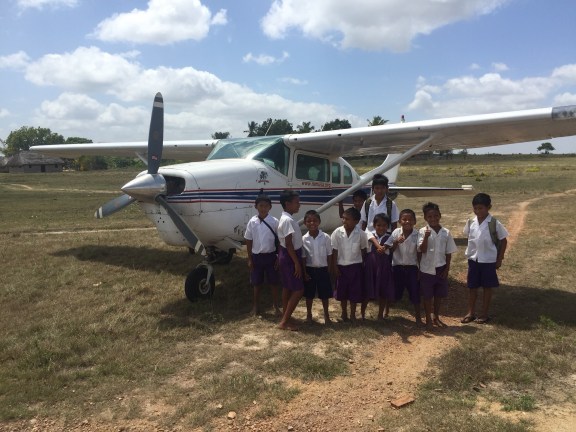
The British colonial days left their mark on even these rural communities. School children wear uniforms and learn to read, write, and speak English. Although isolated, they are mildly exposed to the world. Maybe it could be due to American Peace Corps or British volunteer teachers. Maybe it could be due to Christian missionary pursuits or outside European influence. Maybe it is because they strive to do what they can with what little they have. Either way, I admire it.
There primarily two Ameridian native types – The Makushi of the north savannah and the Wapishana of the south savannah. In the past the two tribes did not get along so well, there are stories and paintings of battles that took place long ago between them.
The Amerindians are of tan complexion and dark hair. Like many other peoples of the Amazon region, they are of short to medium stature. Their disposition in general is of the soft-spoken and stoic type, sometimes shy, but usually warm and welcoming. It seems the villagers further from the hustle and bustle of town and city influence are of a more serene nature, often pleasant to be around and talk to. In general I refrain from taking too many photos of people; it can leave a bad impression of outsiders on locals.
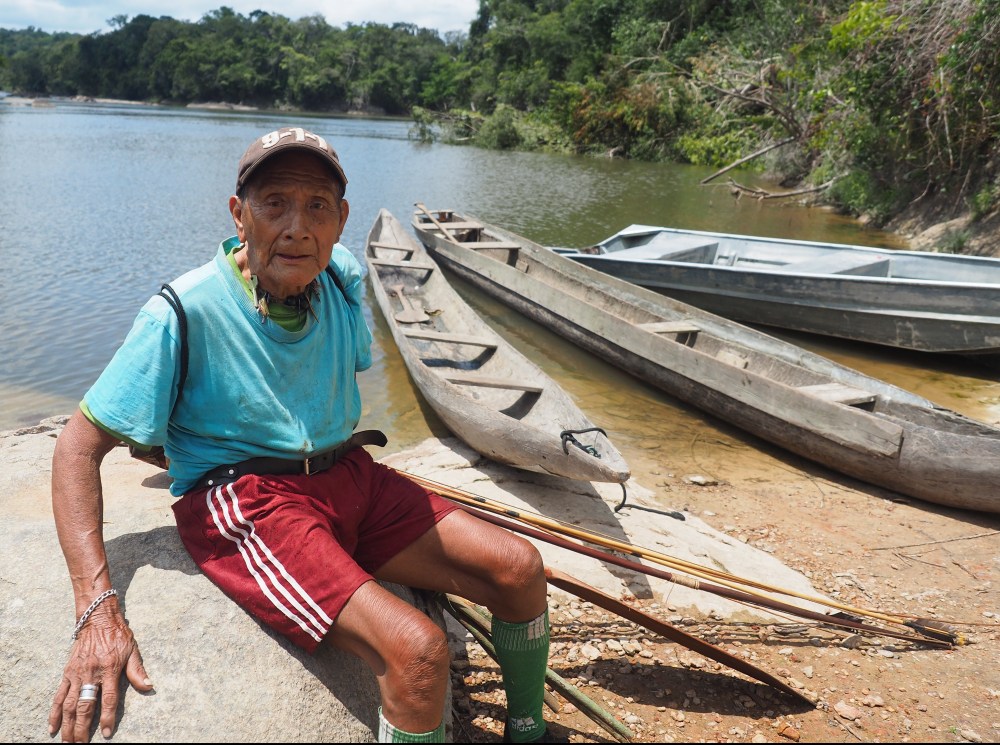
In the early 20th Century, Scottish settlers began transforming the land for longhorn cattle ranching. At one time the Dadanawa Ranch on the south savannah stretched 3,000 square miles with about 30,000 head of cattle making it one of the largest ranches in the world at the time. The cowboys, called vaqueros, were indians, as described in RAM founder Stan Brock’s book All the Cowboys were Indians which describes his early life living on the Rupununi and managing the ranch during the 1960’s. Cattle ranching has diminished since that time but there is still a rodeo culture in the region.
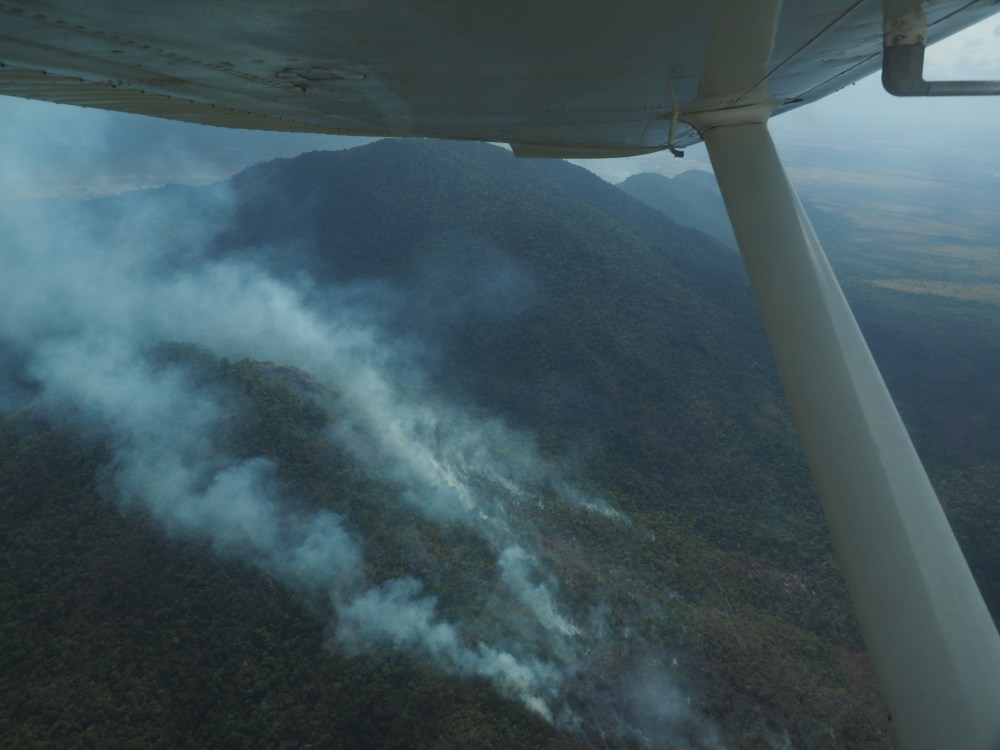
There is one rather unpleasant sight to the outside eye – a seemingly never ending sea of grassland wildfires. These are not naturally occurring. Natives intentionally start the “controlled” burns for a few purposes, such as to regenerate fertile grasses for ranch animals, eradicating rattlesnakes, and sometimes navigation. Some days the sky is filled with so much smoke it makes manmade burning of fossil fuels look miniscule in comparison. Usually the wildfires meet rocks, a river, or trail that stops its path. I have monitored some fires over many days spreading up and over lower peaks of the Kanuku mountains. At one point I was alarmed once it hit the rainforest. Luckily it stopped a few days later.
The Rupununi is a special place where creatures still roam free, people live wholesome lives, and the land is relatively untouched by modern industrialization.
 TRAVEL FOR PURPOSE