There are some places so far isolated off the beaten path from the rest of the world one would never think they would visit it often. But in this kind of work, one does. The village of Wai Wai has become mine.
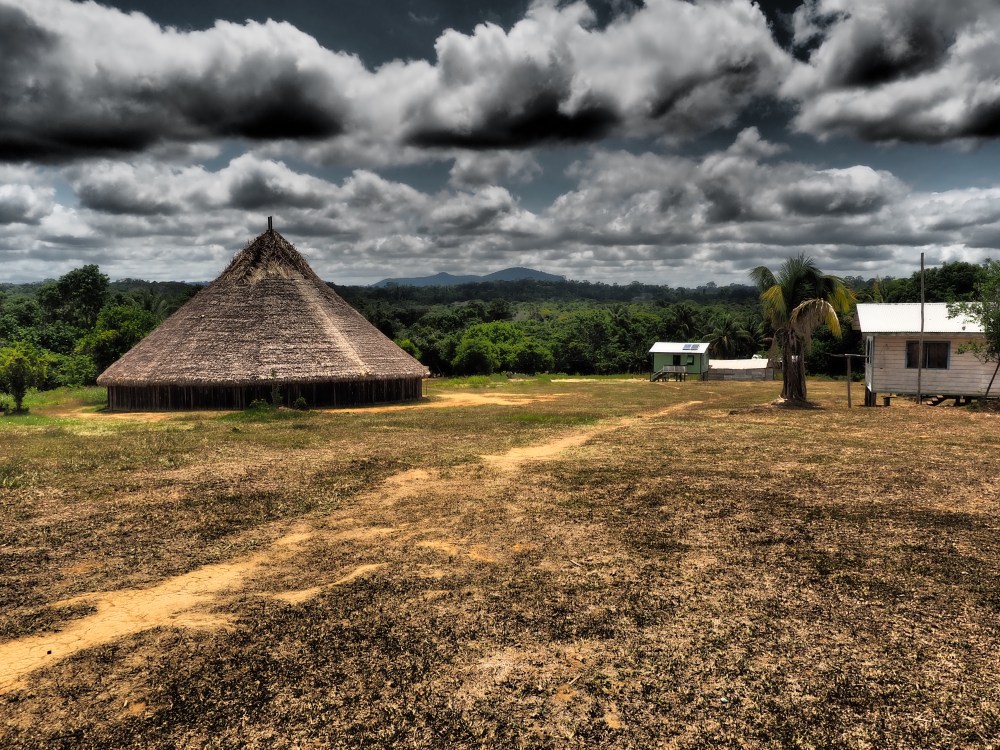
Separated from the rest of Guyana by dense Amazon jungle, “Gunns” as we call it, is a small collection of villages in the deep south. The Wai Wai Amerindian people call this area home, the largest village of which shares the same name. Unlike their savannah cousins, the Wai Wai are a river and jungle people, well adapted to their surroundings.

Gunns is a hard place to reach, considered the most isolated settlement in Guyana. By ground, one must travel to the end of the trail in the south Rupununi Savannah and then another several days by river to reach the area. In the dry season, it takes approximately one week each way from Lethem. In the wet season, sometimes two or three weeks. By air it is only 124 nautical miles from Lethem, taking just under an hour and a half flight each way in the air ambulance.
The flight is one of the more “hazardous” runs made by RAM. Other than ditching in one of the rivers (which are dozens of miles apart) there is absolutely no place to safely land between the start of the jungle just past Aishalton all the way to Gunns. Those 45 or more minutes over thick canopy can be unnerving. It’s no wonder that most pilots consider it somewhat of a big deal to go there. Much of the time the rainforest creates moisture and is covered in a layer of broken to overcast clouds. Hence the “VFR over the top and hope for a hole on the other side”.
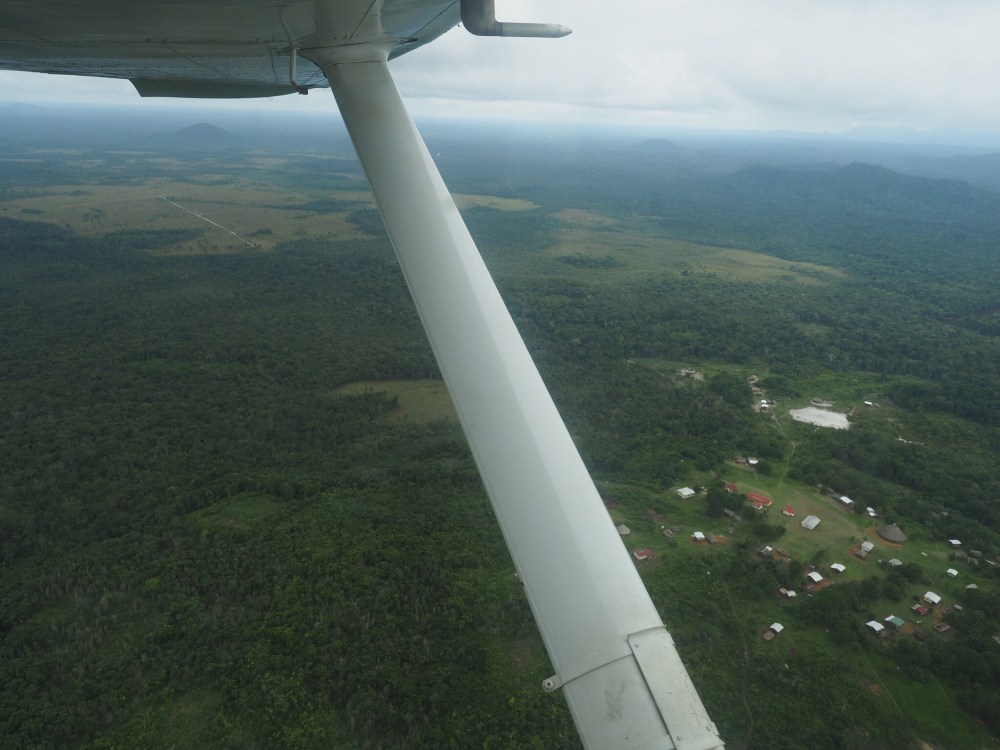
From what I understand the airstrip was cut when missionaries came to the area in the 1950s. There is a Brethren church established there. Most of the village appears to be Christianized.
Due to the remoteness, RAM gets request all the time for people wanting to transport parcels, supplies, passengers, town foods, and even school supplies. I have to tell and remind people we are a free volunteer based non-profit unscheduled air ambulance service, not a charter company. So what I do is keep a “standby list” for packages and possible passengers to take down in the event RAM goes for a medical emergency. It seems to work.
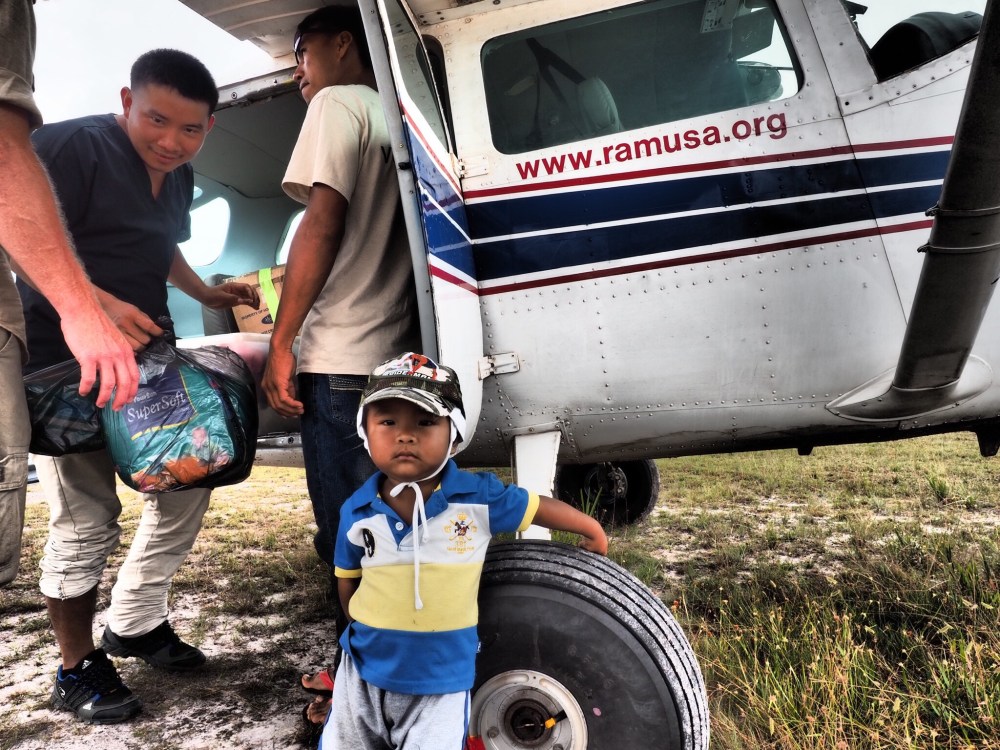
I have delivered everything from diapers to boxes of soap. From printers to primary school proficiency test. Bread, sugar, flour, cooking oil, cans of powdered milk, cookies, and coffee. Fuel for their ATV. Medical supplies and reading glasses. The poor airplane is nearly dragging its tail on the ground whenever we go to Gunns. If I charged a fee for every kilogram of extra stuff we take there, I would get rich.
Gunns is one of those places that usually is not a quick stop. Most of the time I end up going into the village for something. It is either a ~35 minute walk or 10 minute ATV ride from the airstrip.

One would think with the isolation the people would not have much of anything. Actually the exact opposite is true. Wai Wai tends to receive more government, world humanitarian aid, and other relief or outreach program benefits than many not-so-remote places. For example, they have a free satellite high-speed internet connection with open WiFi access. Most people have smartphones and text, call, and surf online with the connection. Electronics are recharged with solar panels given to each family by the government.

One of our recent visits was to perform routine vaccinations for babies and children – something that Guyana is very proactive about. A RAM volunteer medical student (down here on a temporary visit) and Ministry of Health vaccination technician attended to the patients.
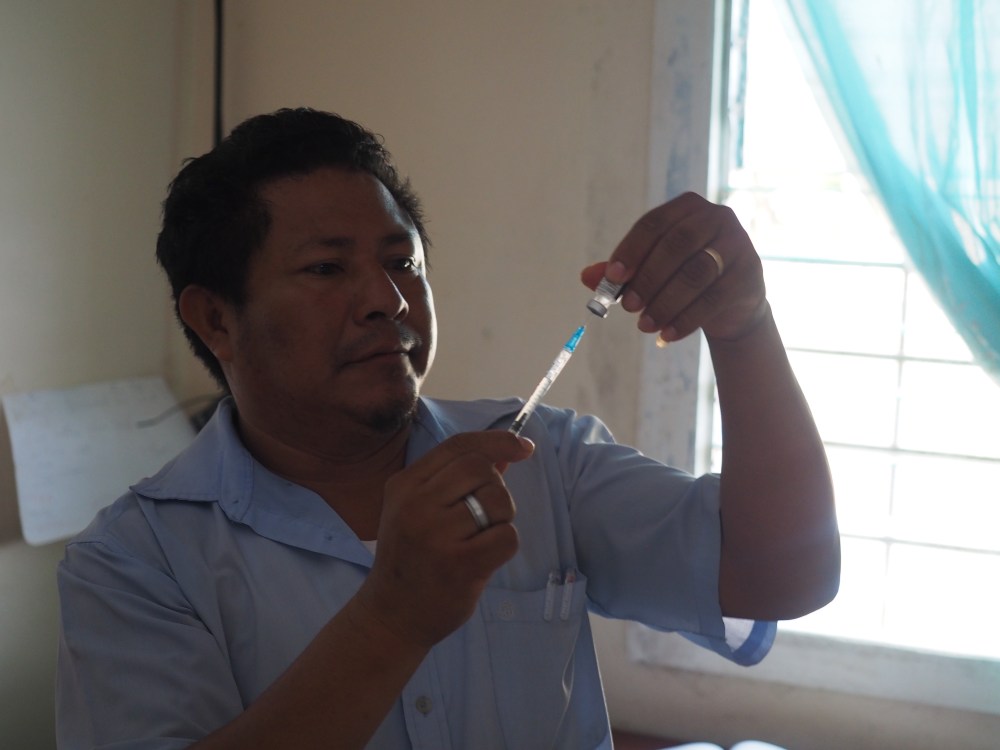
Being just a pilot/mechanic without any formal medical training, they obviously did not need my help. I took the opportunity to walk down a forest path leading to the river, this being the headwaters of the mighty Essequibo River made famous by television programs such as Discovery Channel’s River Monsters. The water level was low due to being late in the dry season.
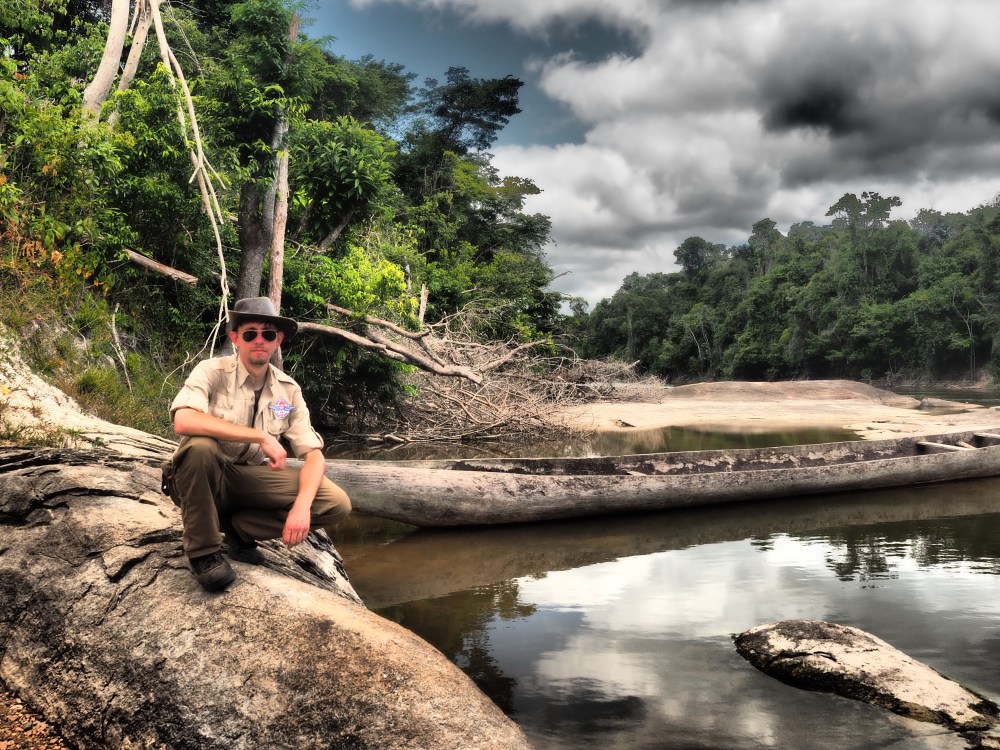
After making numerous visits, both last year and this year, I have had the opportunity to speak with villagers on life in the jungle. It seems that many prefer the quiet isolation away from town and city and the problems they bring, such as music/noise, crime, and traffic. Honestly I do not blame them. A mixture of primitive and the most modern, this is a hybrid village with the best of both worlds. Given a good water filter, bug repellant, and the decent internet connection already present, many 1st world people may like it here.
 TRAVEL FOR PURPOSE