Bush flying is hard on an aircraft. Lots of engine cycles, lots of rough airstrips, lots of dirt and grime coating the airframe, and lots of people, baggage, boxes, and supplies. The Cessna U206 is the pickup truck of the boonies, both here and elsewhere.
With all the harsh flying and conditions, these aerial pickup trucks get a lot of abuse with sometimes minimal maintenance support beyond what the legal requirements are. Every 12 months aircraft like this get thoroughly inspected and serviced, from spinner to tail. Commercial operators are further required to do similar inspection and servicing every 100 flight hours. Non commercial operators are not subject to the 100 hour intermediate servicing intervals. Since this aircraft is not used commercially and strictly for volunteer humanitarian aid, it is only subject to the legally required 12 month inspection, oil changes, and servicing as required. For an aircraft that flies hundreds and hundreds of hours a year, that pretty much translates to a lot of use for not a lot of tender loving care.
Most of the volunteers that come down and serve here are strictly pilots. They can perform some basic maintenance but otherwise are not trained, experienced, or certified to perform anything much deeper than an oil or tire change. A couple of us are certified aircraft mechanics / engineers though. Since it is part of my regular occupation, I have the training, experience, and certifications to care more for the aircraft than pilots can. I think the airplane was happy I came as it was able to get some TLC beyond what most give it.
Now even though I may be skilled to do more in-depth maintenance, servicing, and repairs, there is still the limitation of being out in the bush with limited support, limited parts, limited tools, and limited resources. RAM has a lot of spare parts and tools but it would be difficult and expensive to keep stock for every possibility that comes up. The information described here paraphrases some of the maintenance problems encountered.
Over time I started noticing how the engine seemed to be running slightly rough on occasion, well after takeoff and in cruise. Cleaning, gapping, and replacing spark plugs helped for a while. Going on a hunch from my experience as a pilot and mechanic, my suspicion was that one or two of the cylinders were slowly starting to fail. As aviators we are always looking and listening for anything out of the ordinary. Then 45 minutes into a medivac run on a recent flight the engine started running noticeably rough with a slight shimmy and different tone. The engine analyzer also indicated potential problems with one of the combustion cylinders. With some prayer I was able to get home for the night.

The next day I did some more in-depth troubleshooting. Part of the 12 month (and 100hr) inspection is to do a differential compression test on each cylinder. Scrounging around with what was available, we were eventually able to pull start the old generator on hand with a piece of rope, then with some Jerry rigging get the compressor to build up pressure for me to do the cylinder compression check. My previous hunch on the cylinders ended up being correct as 2 out of 6 showed signs of needing replaced due to valve and compression ring issues. Combined with digital data downloaded from the engine analyzer (a box that records cylinder and exhaust gas temperatures), I was able to see how over time the problem had been getting worse, even before I had arrived. It is sometimes hard to pick up on subtle changes while flying, especially when data displayed could be erroneous and so many different people fly this aircraft. Funny how the previous pilot told me how “yeah, the analyzer readings on cylinders #3 and #4 do not work right…” Analyzer or engine problem? So I grounded the airplane.

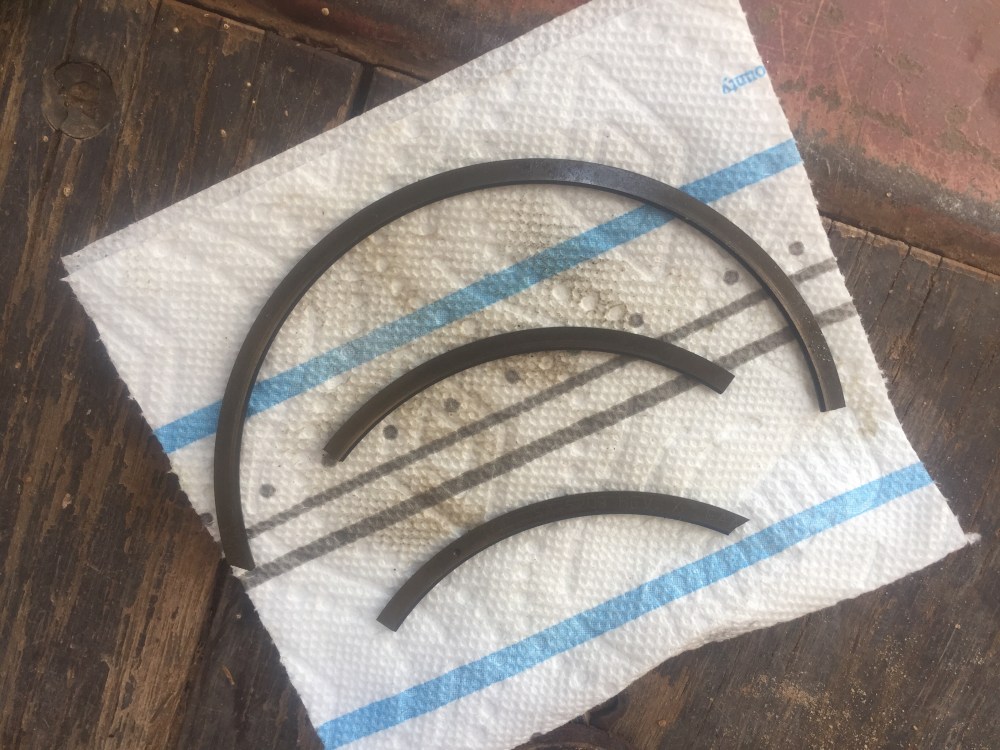
RAM shipped me down two fresh engine cylinders as soon as possible. The incoming pilot was able to scrounge up some tools we needed from mechanics / engineers in Georgetown. To save time I started disassembling the engine before all the tools and parts arrived. Everything always takes longer in the bush, especially when the equipment or tools are old, worn out, or broke.

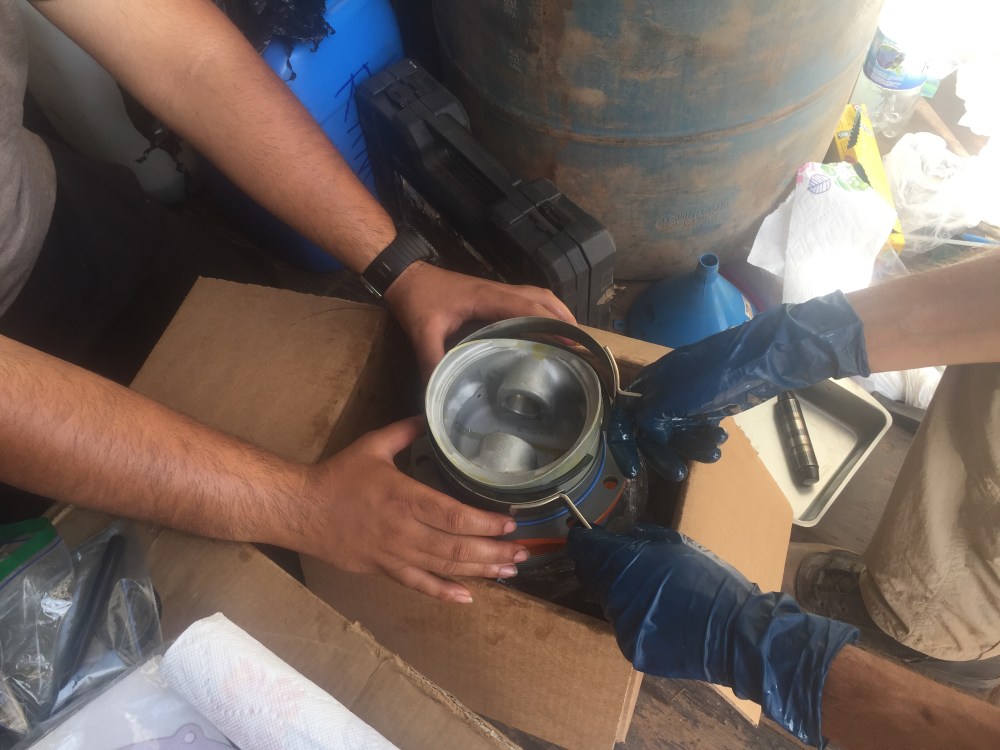
With much frustration, lack of some tools normally used for this, patience, prayer, and some luck we were able to swap out the bad cylinders. Reassembly always takes longer than disassembly. Properly torquing the cylinder base nuts is critical, and reinstalling the intake and exhaust manifolds is always time-consuming on these large piston engines.

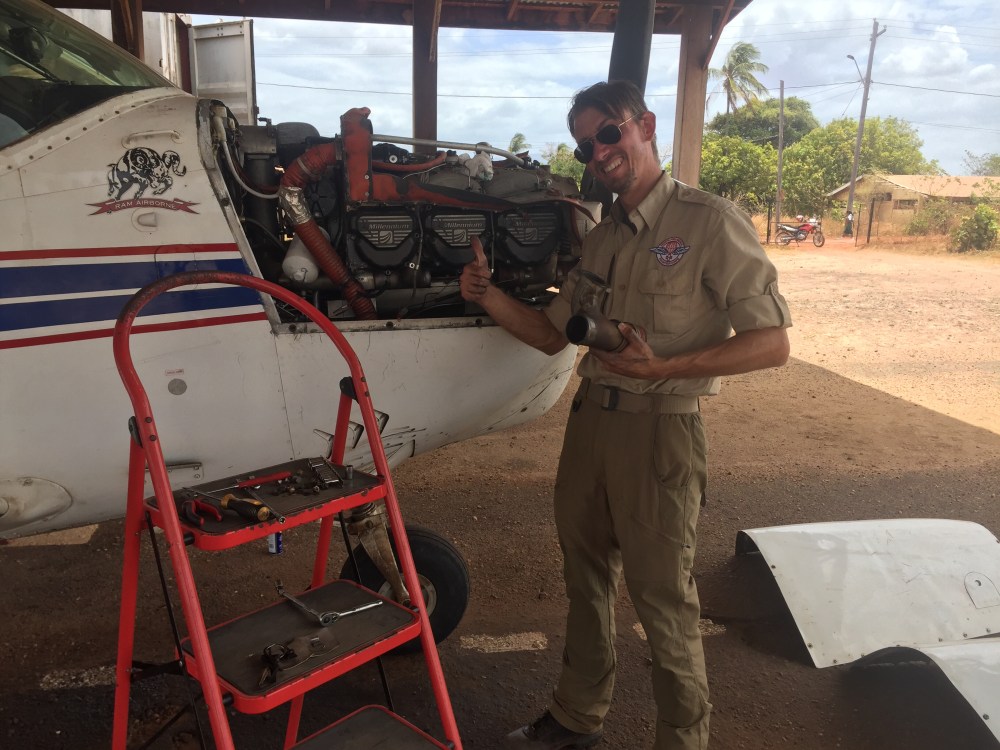
This is just one example of what kinds of maintenance challenges and setbacks that can come up out here. Although replacing two cylinders is something that is usually done in a cleaner hangar environment with more resources, with prior experience, determination, and some stubbornness, one can come through. We were able to test run the engine without issue. After some maintenance test flights to break in the piston rings and monitor oil consumption, I was back up in operation again.
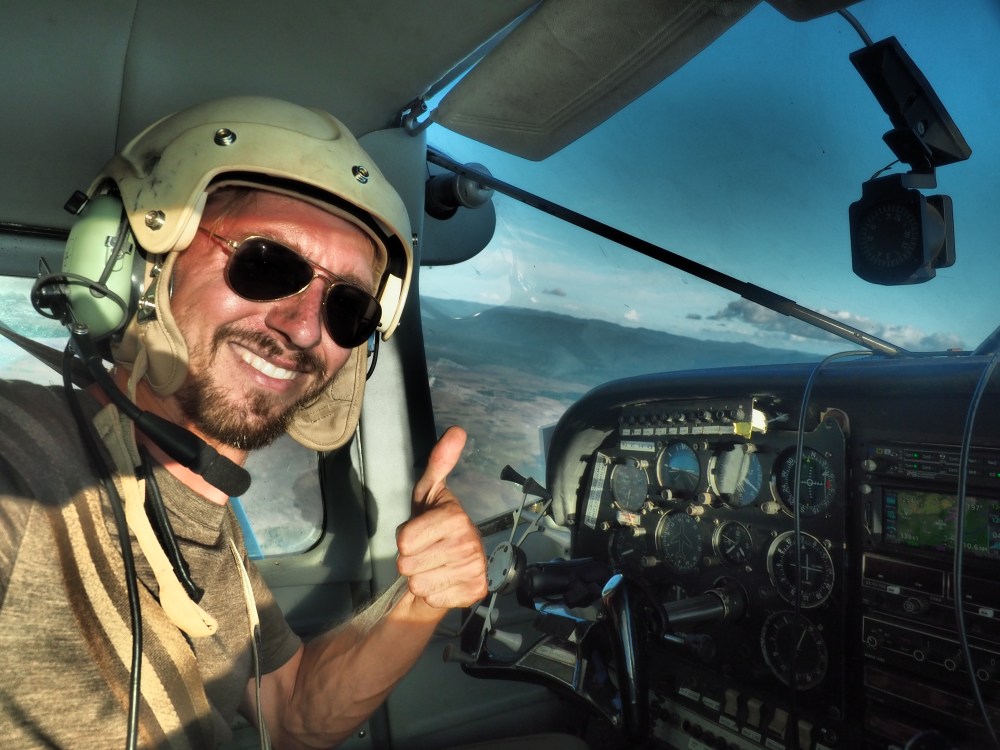
 TRAVEL FOR PURPOSE